
Paper bags are practical packaging products valued for their strength, convenience, and flexible applications. Their production involves several carefully coordinated stages that transform paper materials into useful packaging. Understanding https://www.ketegroup.com/how-are-paper-bags-made/ helps explain how paper is selected, processed, shaped, sealed, and finished to create dependable bags.
Selecting Suitable Paper Materials
The manufacturing process begins with choosing paper that matches the intended purpose of the bag. Kraft paper is commonly used because its strong fiber structure provides useful durability and flexibility. Paper thickness, fiber composition, moisture level, and overall quality are considered before production begins.
Important considerations include:
- Appropriate paper weight for the expected contents
- Consistent thickness across the sheet
- Suitable flexibility for folding
- Strong fibers for improved load resistance
Preparing Paper For Production
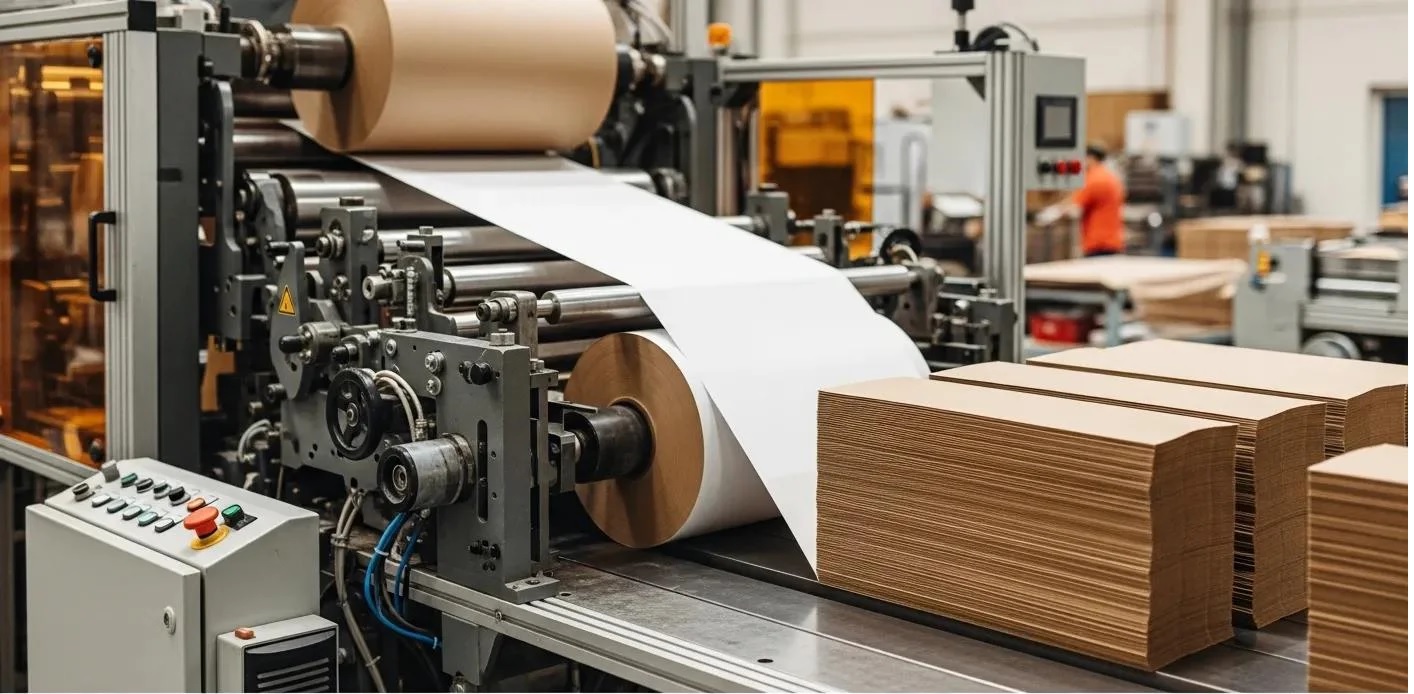
Once the paper is selected, large rolls or sheets are prepared for conversion. The material may be printed before forming, depending on the desired design. During this stage, accurate paper feeding and controlled tension help maintain consistent dimensions and smooth production.
The paper can also be treated or finished according to the intended application. These preparations support reliable folding and help create an attractive finished surface.
Forming The Main Bag Structure
The next stage focuses on converting flat paper into the basic bag shape. Machines carefully guide the paper through folding and forming sections. Edges are positioned together and adhesive is applied along the seam, creating the main body.
Precise folding is important because it determines the bag’s overall shape and stability. Consistent measurements also allow multiple bags to maintain similar dimensions throughout a production run.
Creating And Sealing The Bottom
The bottom structure provides essential support for the contents. After the paper body is formed, the lower section is folded into the required configuration. Adhesive is applied to selected areas, and the folded sections are pressed together to create a secure base.
Depending on the bag design, additional paper reinforcement may be incorporated to improve support. A properly formed bottom helps the finished bag stand securely and distribute weight more effectively.
Adding Handles And Finishing Features
For handled bags, the next step involves attaching suitable handles. Paper handles, twisted cords, or other handle structures can be secured using carefully applied adhesive and reinforcement points. These features improve carrying convenience while contributing to the overall design.
Additional finishing processes may include:
- Surface printing and decorative details
- Handle reinforcement
- Creasing for cleaner folds
- Final trimming for consistent edges
Quality Checking And Final Preparation
Before packaging, finished bags are inspected for accurate dimensions, secure seams, clean folds, and properly attached handles. Visual checks and functional testing help identify manufacturing variations and maintain consistent quality.
After inspection, the completed bags are counted, organized, and packed for distribution. Through careful material selection, precise forming, secure bonding, and detailed inspection, paper bag manufacturing creates packaging that combines practicality, durability, and convenient everyday use.