
Choosing the right can sealer can strengthen packaging consistency, improve workflow efficiency, and support dependable production results. A thoughtful selection process helps match equipment capabilities with container sizes, sealing requirements, production volume, and operational goals. The right solution can also contribute to smoother handling, reliable closure quality, and easier day-to-day operation. Before making a decision, reviewing important performance characteristics ensures the selected equipment delivers practical value while supporting current needs and future production growth.
1. Container Compatibility
A can sealer should work comfortably with the containers used throughout the packaging process.
- Check supported can diameters and heights.
- Confirm compatibility with different container materials.
- Review adjustable components for varied formats.
- Consider future container requirements.
- Ensure accurate positioning during sealing.
Understanding how can sealing equipment works can provide additional guidance, including in https://www.levapack.com/what-is-a-can-sealer/ when evaluating suitable equipment characteristics.
2. Sealing Quality And Consistency
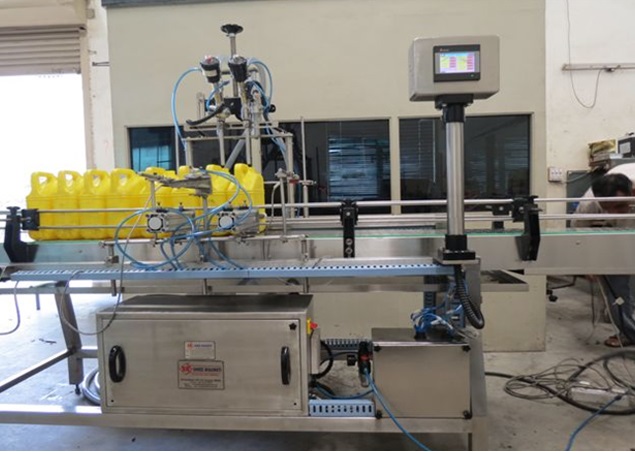
Reliable sealing is central to effective packaging performance. Consistent pressure, alignment, and operating conditions can help produce uniform closures across production runs.
- Look for precise sealing adjustments.
- Evaluate stable operating performance.
- Consider dependable seam formation.
- Prioritize repeatable results.
- Support strong and secure closures.
3. Production Capacity
Production volume should closely match the capabilities of the selected equipment. A suitable capacity can maintain smooth movement while avoiding unnecessary interruptions.
- Assess expected daily output.
- Compare cycle speed with production targets.
- Allow room for future demand growth.
- Consider continuous operation requirements.
- Match capacity with workflow needs.
4. Ease Of Operation
Straightforward controls can help operators manage equipment efficiently and maintain consistent processes.
- Choose clear and accessible controls.
- Consider simple adjustment procedures.
- Support quick format changes.
- Reduce unnecessary operating steps.
- Encourage efficient operator training.
5. Durability And Construction
Strong construction can contribute to dependable long-term performance and stable operation.
- Review structural quality.
- Consider durable working components.
- Look for designs suited to regular production.
- Evaluate resistance to operational wear.
- Prioritize dependable performance over extended use.
6. Maintenance And Cleaning
Convenient maintenance can help keep production flowing efficiently while supporting consistent equipment performance.
- Look for accessible components.
- Consider easy cleaning procedures.
- Check routine maintenance requirements.
- Evaluate convenient inspection points.
- Support quick servicing when necessary.
7. Automation And Workflow Integration
Automation features can improve consistency while helping equipment fit naturally into established packaging workflows.
- Consider automatic feeding capabilities.
- Evaluate synchronized sealing functions.
- Support conveyor integration.
- Look for smooth material handling.
- Plan for scalable production requirements.
8. Safety And Efficiency
Well-designed safety features can support confident operation while efficient performance helps make better use of production resources.
- Consider protective mechanisms.
- Review emergency controls.
- Evaluate energy-efficient operation.
- Support organized workspace requirements.
- Prioritize reliable performance with practical efficiency.
9. Overall Value
The strongest selection balances performance, usability, durability, maintenance, and production requirements.
- Compare capabilities with actual needs.
- Consider long-term operating value.
- Review flexibility for future growth.
- Evaluate productivity improvements.
- Select equipment that supports consistent packaging goals.
A carefully selected can sealer can become a valuable part of a smooth packaging workflow. By assessing compatibility, sealing quality, capacity, operation, durability, maintenance, automation, safety, and overall value, businesses can confidently choose equipment designed to support reliable results and efficient production.