
Specialized Environmental Construction Supports Durable Infrastructure Development
Strong infrastructure development depends on construction practices that balance structural performance, environmental responsibility, and long-term sustainability. Specialized environmental construction services help project teams address site conditions, manage environmental considerations, and establish reliable foundations for successful development. By combining technical expertise, innovative solutions, and careful planning, these services contribute to durable infrastructure that supports communities, businesses, and future development requirements.
Environmental Planning Strengthens Construction Foundations
Successful construction begins with understanding the environmental characteristics of a development site. Professional assessments provide valuable information about soil conditions, groundwater considerations, and potential environmental challenges, allowing project teams to make informed decisions before construction activities begin.
- Site assessments: Evaluate existing environmental conditions and construction requirements.
- Soil investigations: Identify soil characteristics that influence foundation performance.
- Groundwater evaluations: Support appropriate planning for underground water conditions.
- Environmental monitoring: Maintain awareness of relevant site conditions throughout development.
- Mitigation planning: Establish suitable approaches for managing identified environmental concerns.
Specialized Solutions Improve Infrastructure Durability
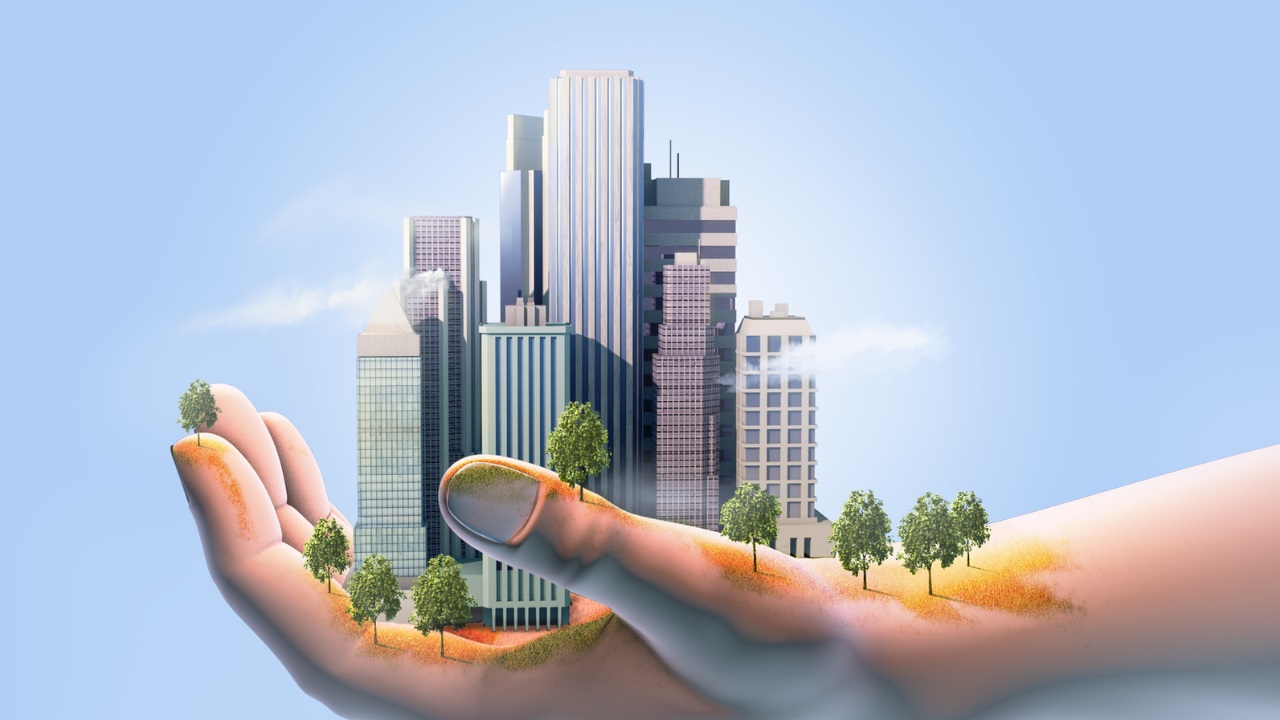
Environmental construction solutions help protect buildings and infrastructure from various subsurface conditions. Carefully selected materials, protective systems, and professional installation techniques support structural reliability while encouraging long-term performance.
- Install suitable vapor barriers to manage moisture movement beneath structures.
- Incorporate protective drainage systems to support effective water management.
- Apply soil stabilization techniques to improve suitable ground conditions.
- Introduce gas mitigation systems to manage potential underground gas movement.
- Use appropriate protective materials to strengthen building envelope performance.
Professional Expertise Supports Project Efficiency
Experienced environmental construction specialists contribute valuable knowledge throughout different project stages. Their technical understanding helps coordinate environmental requirements with construction activities, encouraging organized development and dependable results.
Collaboration between engineers, contractors, and environmental professionals also supports informed decision-making and effective project coordination.
- Review project specifications and environmental requirements carefully.
- Recommend suitable construction materials and protective systems.
- Coordinate specialized activities with broader construction schedules.
- Conduct inspections to evaluate installation quality and performance.
- Maintain technical documentation for future reference and maintenance.
Sustainable Practices Encourage Responsible Development
Environmentally conscious construction methods help preserve valuable resources while supporting infrastructure longevity. Thoughtful material selection, efficient resource management, and responsible construction practices contribute to projects that balance functionality with environmental considerations.
- Prioritize durable materials that support extended service life.
- Encourage efficient water management throughout construction.
- Reduce unnecessary material waste through organized planning.
- Consider energy-efficient solutions for improved building performance.
- Support responsible handling of construction materials and resources.
Advanced Monitoring Strengthens Long-Term Performance
Ongoing environmental monitoring helps project teams understand changing site conditions and maintain appropriate protective measures. Regular evaluations provide useful information for maintenance planning, system improvements, and continued infrastructure reliability.
Professional inspections also help identify opportunities to improve operational efficiency and preserve the intended performance of installed systems.
- Monitor relevant environmental conditions throughout project development.
- Inspect protective installations to evaluate their continued functionality.
- Maintain accurate records of inspections and maintenance activities.
- Review system performance against established project requirements.
- Implement suitable improvements when operational needs change.
Building Stronger Infrastructure For The Future
Specialized environmental construction provides an important foundation for durable and responsible infrastructure development. Combining professional expertise, effective mitigation, sustainable materials, and consistent monitoring helps create reliable structures that serve long-term needs. Project teams can learn more about suitable environmental construction approaches to strengthen planning, improve building protection, and encourage sustainable development. These integrated practices contribute to infrastructure that delivers lasting value, dependable performance, and greater confidence.