
How Pan Mixer with Integrated Weighing Device Reduces Raw Material Waste
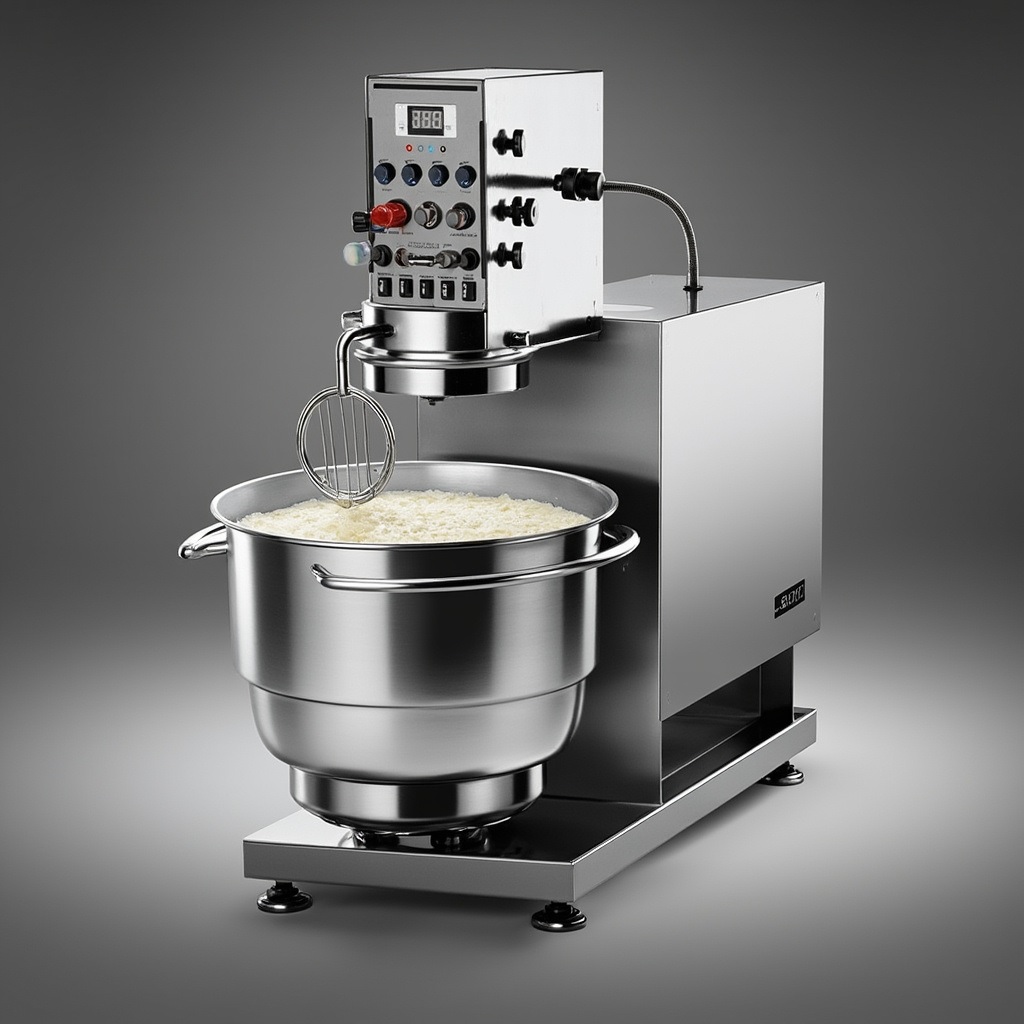 Every kilogram of raw material that ends up in the dust collector or on the floor is profit you are literally throwing away. In the world of concrete, mortar, and dry mix production, the margin between a healthy bottom line and a loss leader often comes down to how accurately you measure your inputs. This is where the pan mixer with an integrated weighing device stops being just a piece of machinery and starts being a financial instrument.
Let me tell you a story. A few years back, I visited a medium-sized precast plant that was hemorrhaging money. The owner was a sharp guy, but he was convinced his losses were due to rising cement prices. I walked over to his mixing station. The operator was using a separate, floor-mounted scale. He would scoop material into a bucket, walk it over, check the weight, walk back, add a little more, walk back. It took forty-five seconds per ingredient. And in that time, the scale was vibrating from the nearby crusher, the bucket was dirty, and the operator was rushing. He was consistently over-batching by 3 to 5 percent just to be safe. That 5 percent was the bleeding wound.
A pan mixer with a built-in weighing system eliminates that human error loop entirely. The load cells are integrated directly into the mixer frame or the skip hoist. When you dump sand or aggregate into the pan, the system reads the live weight instantly. It stops the feed the millisecond it hits the target. No guessing. No “just a little more for good luck.” The precision is typically within 0.5 percent. That is a direct, measurable reduction in waste.
But the real savings are hidden in the chemistry. If you over-batch cement by even two percent to compensate for inaccurate aggregates, you are not just wasting cement. You are altering the water-to-cement ratio. That leads to weaker concrete, which leads to returns or re-pours. The integrated weighing device prevents that cascade of errors. It ensures the recipe is locked in, batch after batch. The REFAMIX pan mixers, for example, use a digital load cell system that is sealed against dust and vibration, meaning the accuracy holds up even after thousands of cycles. You are not recalibrating every Tuesday.
Then there is the waste of time. Separate weighing stations require a dedicated operator and a separate material handling path. You have to move material from the silo to the scale, then from the scale to the mixer. Every transfer is a chance for spillage, segregation, and dust loss. With an integrated system, the material goes directly from the hopper into the pan. The weighing happens in transit. The cycle time drops. You produce more batches per shift, and each batch uses exactly what it needs. No excess. No shortage.
I have seen plants that switched to an integrated pan mixer cut their raw material waste by over 12 percent in the first quarter. That is not a theoretical number. That is real sand, real cement, real chemical admixtures that stay in the mix instead of becoming a disposal problem. And in an industry where margins are tight and environmental regulations are getting stricter, that kind of efficiency is not just nice to have. It is the difference between staying competitive and getting squeezed out.
The bottom line is simple: waste is a symptom of poor measurement. Fix the measurement, fix the waste. A pan mixer with a weighing device built into its DNA is the fix. It turns your mixing process into a closed-loop system where every gram is accounted for. And that is the kind of accounting that actually pays off.