
Reliable fluid control supports industrial operations that depend on accuracy and productivity. Solenoid valves use electromagnetic action to regulate liquids and gases, allowing systems to start, stop, or redirect flow through electrical control. Their adaptable designs make them valuable in automated equipment and specialized applications.
Understanding How Solenoid Valves Work
A solenoid valve combines an electrical coil with a movable mechanism that controls a flow passage. When energized, the coil creates a magnetic field that moves the armature and changes the valve position.
- Opens or closes flow in response to electrical signals.
- Directs fluids through selected ports and passages.
- Supports remote operation in automated equipment.
- Provides responsive control for suitable applications.
- Coordinates fluid movement with machine functions.
Exploring Different Valve Configurations
Solenoid valves are available in designs suited to different flow paths, pressure conditions, and operating needs. Understanding these configurations helps system designers select appropriate components.
- Two-way valves provide straightforward on-and-off flow control.
- Three-way valves redirect or combine flow paths.
- Four-way valves manage double-acting actuator movement.
- Five-way valves provide additional exhaust paths for pneumatic control.
- Normally closed and normally open designs offer different default flow positions.
Supporting Performance Across Industries
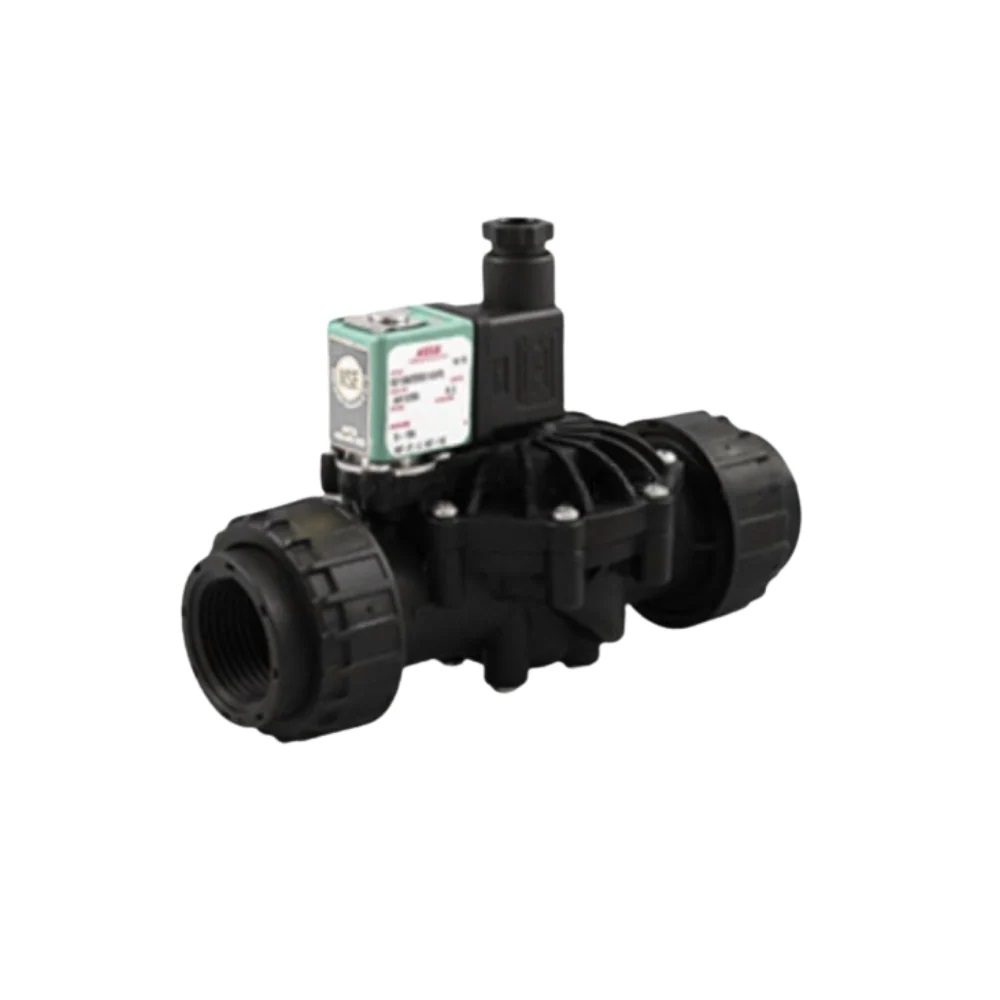
Different materials and operating configurations allow solenoid valves to serve varied sectors. Their ability to manage diverse media and control requirements makes them useful in many industrial processes.
- Manufacturing systems coordinate automated machinery.
- Heating and cooling equipment regulates fluid circulation.
- Water treatment processes manage supply and dosing.
- Agricultural systems control irrigation flow.
- Food processing equipment uses designs suited to hygienic requirements.
Selecting Materials And Operating Specifications
Consistent performance begins with matching the valve to the system. Medium compatibility, pressure, temperature, flow rate, electrical supply, and connection size all influence the most suitable design.
- Match body and seal materials to the controlled medium.
- Confirm operating pressure and required flow capacity.
- Select appropriate voltage and coil specifications.
- Check port dimensions and connection arrangements.
- Consider environmental protection and operating temperature.
Advancing Automation And Energy Efficiency
Modern valve development emphasizes compact construction, responsive control, and efficient electrical operation. Improved materials and monitoring capabilities can also support informed maintenance and system management.
Readers can explore https://www.vincervalve.com/solenoid-valve-types/ for information about valve classifications, operating principles, and selection considerations. Understanding these options helps teams align component choices with process requirements.
Maintaining Long-Term Reliability
Routine inspection and suitable operating conditions help preserve consistent valve performance. Clean media, appropriate filtration, and correct electrical connections contribute to dependable service.
- Inspect connections and seals during scheduled maintenance.
- Keep fluid or air supplies appropriately filtered.
- Verify electrical ratings against system requirements.
- Monitor response for consistent operation.
- Follow maintenance guidance for each application.
Delivering Value Through Reliable Fluid Control
Solenoid valves combine electrical responsiveness, practical design options, and adaptable flow management. When selected for system requirements and maintained appropriately, they help industries achieve smooth operation, repeatable control, and productive workflows. Their versatility makes them important components in efficient industrial technology.